Menu
Close
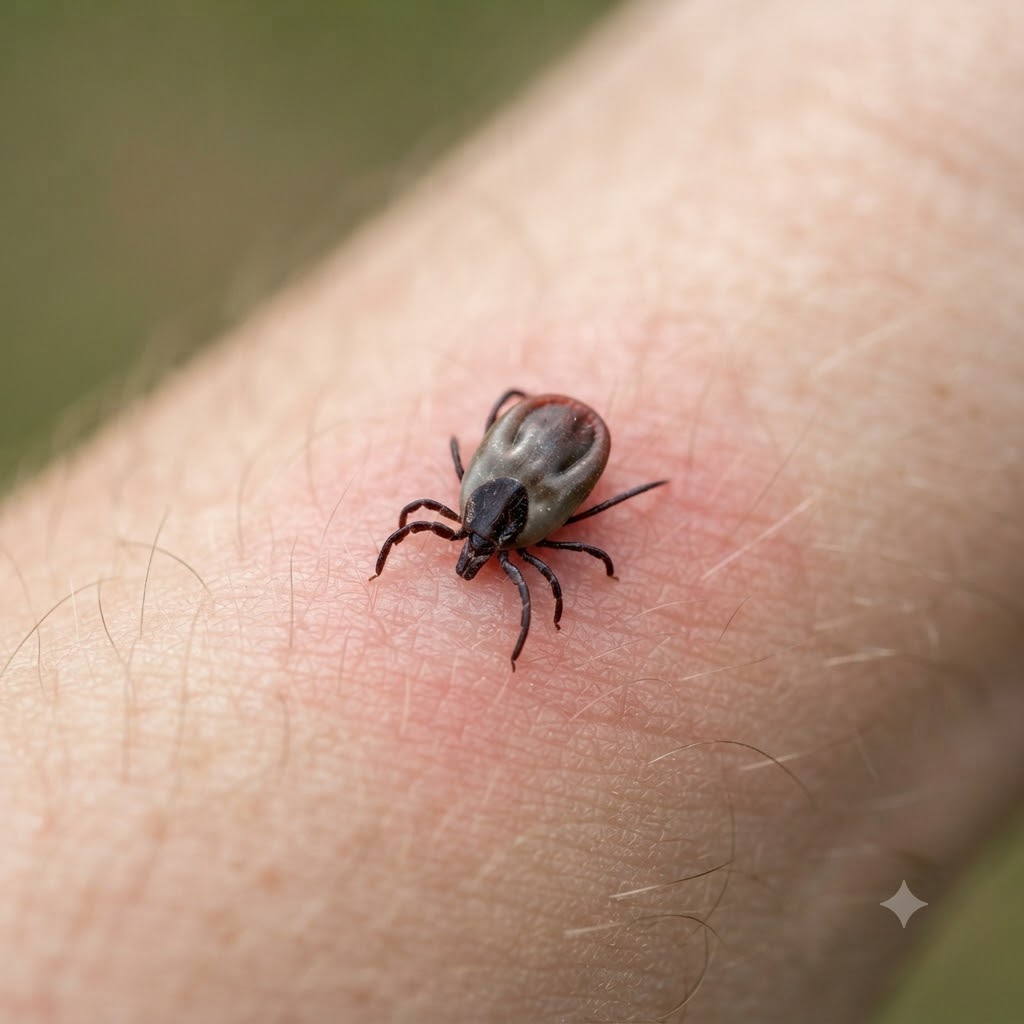
Ticks are a genuine health risk across Sydney’s bushland-fringed suburbs, capable of causing paralysis, allergic reactions, and tick-borne illness in pets and people. They often go unnoticed in long grass, garden beds, and shaded areas until someone or a pet is bitten. Professional treatment reduces tick activity around your property and lowers the risk of repeat bites.
Contact us today to learn more about our pest control services and discover how we can help keep your home or business completely pest-free.

Please fill the below form and one of our experts will get in touch with you shortly.
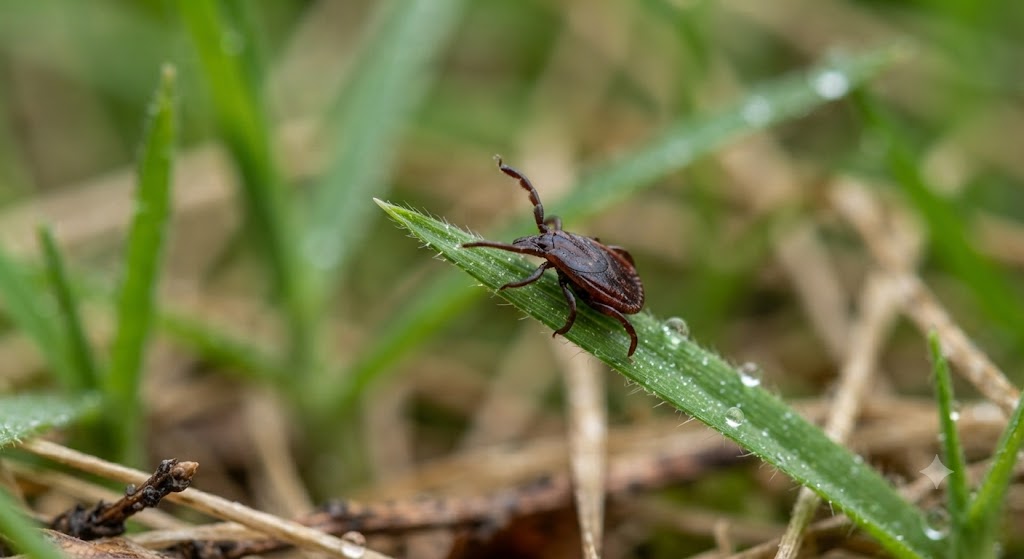
Sydney’s tick population includes several species, and knowing which one is active on your property helps determine the safest and most effective treatment. The paralysis tick is the most medically significant species in the region, capable of injecting a toxin that can cause progressive paralysis in pets and, in rare cases, serious allergic reactions in people. Bush ticks are commonly picked up in long grass and bushland reserves and, while less dangerous than the paralysis tick, can still cause irritation and secondary infection at the bite site. Brown dog ticks favour warm, sheltered spots such as dog bedding, kennels, and cracks in paving, and can build up large populations indoors if left untreated. Kangaroo ticks and cattle ticks are less common in built-up areas but can appear on properties bordering bushland or livestock areas. Ornate kangaroo ticks are occasionally found on native wildlife visiting suburban gardens. Correct identification helps us target treatment to the tick’s preferred habitat and host, rather than relying on a generic approach.
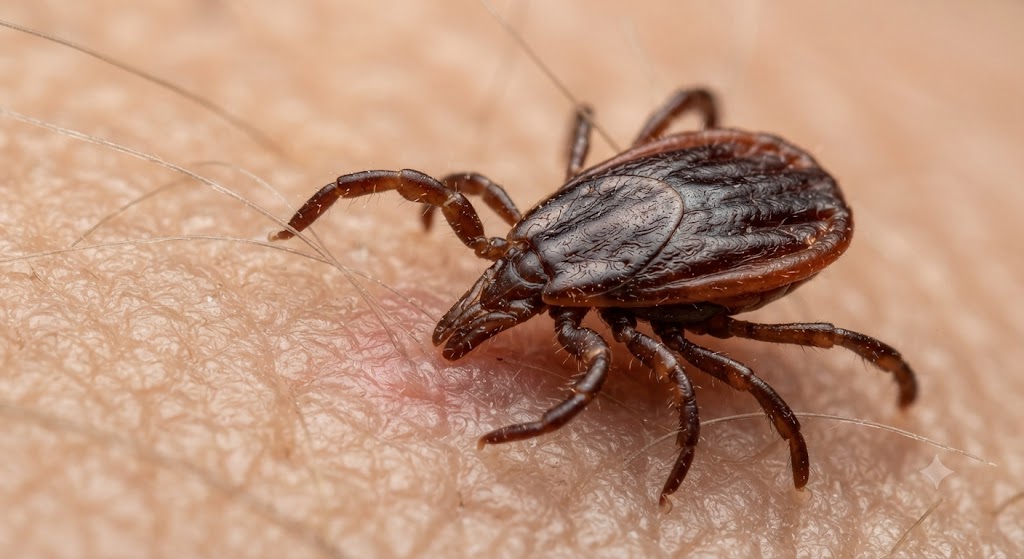
A tick problem is often first noticed on pets rather than around the property itself, since ticks attach to passing hosts rather than leaving visible trails like other pests. Wobbly legs, vomiting, or sudden lethargy in a dog or cat can indicate paralysis tick attachment and should be treated as a veterinary emergency. Around the yard, ticks tend to gather in long grass, leaf litter, garden borders, and shaded areas where humidity stays high, often close to paths used by wildlife such as possums and bandicoots that carry ticks onto a property. You may also notice ticks on outdoor furniture, pet bedding, or clothing after time spent in the garden or nearby bushland. Small bite marks, localised swelling, or itching on family members after outdoor activity is another common sign. Because ticks are small and easy to miss until they have already attached, regular property checks and professional treatment are the most reliable way to catch an increasing tick population early.
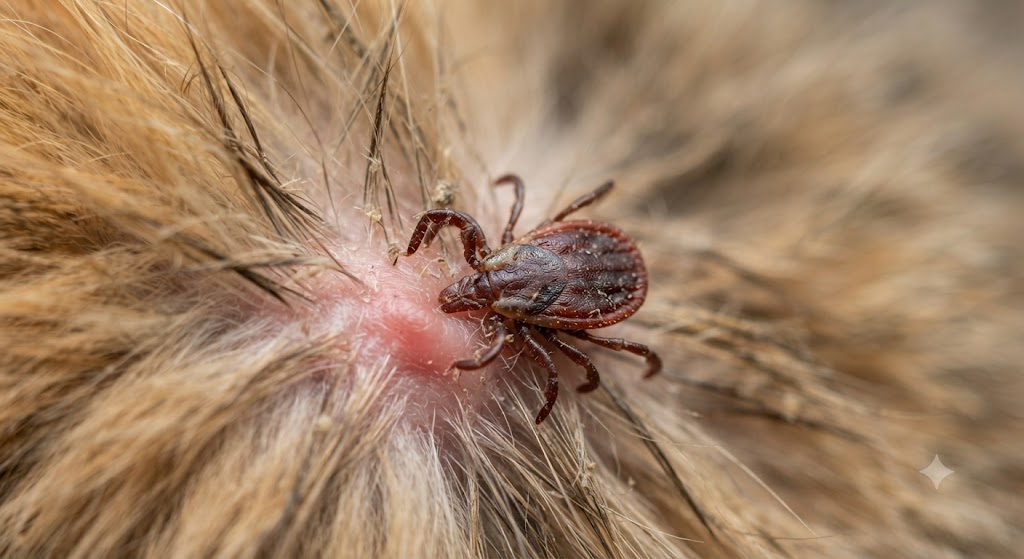
Our approach starts with a thorough inspection of your garden, lawn edges, and any bushland-adjacent boundaries to identify the areas where ticks are most active, along with the wildlife activity that may be bringing them onto the property. Because ticks rely on shaded, humid conditions and passing hosts, we focus treatment on garden beds, long grass, fence lines, and other harbourage points rather than just the areas immediately around the home. From there we apply targeted treatments designed to reduce the tick population at every life stage, from larvae through to adult ticks, while taking care to protect pets, children, and garden plants throughout the process. We also provide practical advice on reducing tick habitat long-term, such as garden maintenance and limiting wildlife access, and can schedule follow-up treatments for properties bordering bushland or reserves where reinfestation risk is higher.
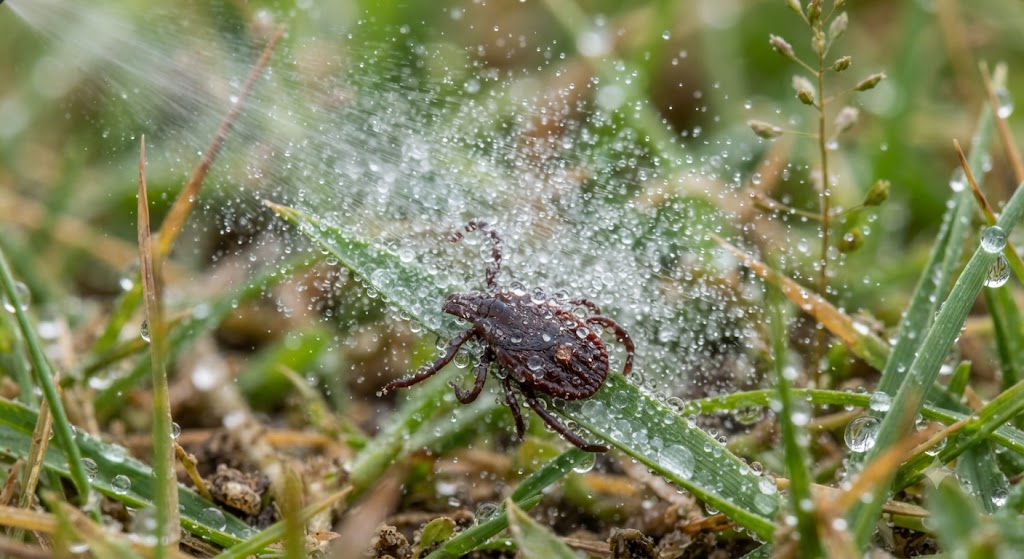
Effective tick control relies on treating the areas where ticks live and breed, not just the ticks found on pets or family members. We use targeted barrier sprays around garden beds, lawn edges, fence lines, and other shaded harbourage areas to reduce tick populations at the source. For properties with heavier bushland exposure, treatment may also extend to boundary vegetation and pathways used by wildlife. Unlike pet-only tick treatments, which manage the risk to your animals but do nothing to reduce ticks living in the yard, our property-based treatments are designed to lower overall tick activity so pets, children, and visitors are less likely to pick one up in the first place. We always recommend pairing property treatment with your vet’s ongoing tick prevention program for pets.
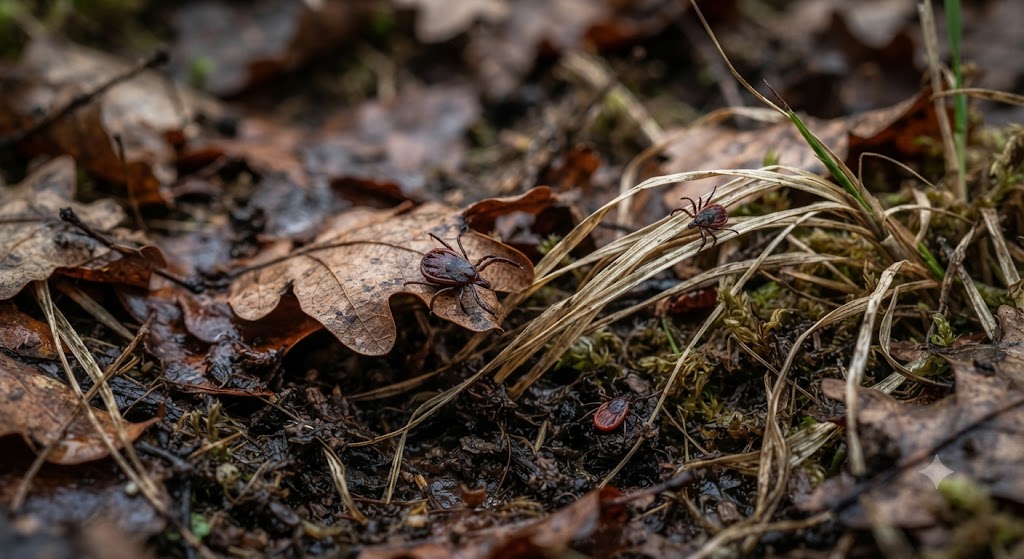
Reducing tick activity starts with making your garden less attractive to the wildlife that carries them onto your property. Keep grass mowed short and clear leaf litter, mulch build-up, and dense ground cover, especially along fence lines and shaded garden beds where ticks shelter during the day. Restrict pet and family access to bushland-adjacent areas where possible, and check pets, children, and yourself after time spent in long grass or nearby reserves. Stack firewood away from the house and keep garden beds trimmed back from lawns and pathways to reduce the shaded, humid conditions ticks prefer. Talk to your vet about a year-round tick prevention product for pets, since even a well-maintained yard can still see occasional tick activity from visiting wildlife.
Are tick bites dangerous to humans?
Most tick bites cause only localised itching and swelling, but paralysis ticks can occasionally trigger serious allergic reactions, so any bite that causes widespread swelling, difficulty breathing, or dizziness should be treated as a medical emergency.
How do I know if my pet has been bitten by a paralysis tick?
Early signs include wobbly back legs, a change in bark or meow, vomiting, and laboured breathing. These symptoms can progress quickly, so any suspected paralysis tick bite needs urgent veterinary attention.
Will treating my garden get rid of ticks for good?
Property treatment significantly reduces tick numbers and habitat, but properties near bushland or with regular wildlife visitors can see ticks return over time, so ongoing prevention and pet protection remain important.
When are ticks most active in Sydney?
Ticks are most active in the warmer months from spring through to early autumn, though paralysis ticks can be found year-round in humid, bushland-adjacent areas.
If you’re dealing with a tick problem in Sydney, Stark Pest Solutions is here to help. We combine effective tick treatment for your property with professional customer care to deliver long-lasting results you can trust.
Contact us today to learn more about our tick control services and how we can protect your home, family, and pets from unwanted ticks.
Real feedback from customers who trust our pest control services, sharing their experiences, satisfaction, and the peace of mind they gained after choosing us.
Posted on GoogleTrustindex verifies that the original source of the review is Google. Patrick from Stark Pest Solutions was fantastic! He was prompt, professional, and incredibly thorough in identifying and treating the issues at my property. He took the time to explain everything clearly and made sure I understood the steps he was taking. The service was efficient, friendly, and genuinely reassuring. I’m extremely happy with the results and highly recommend Patrick and the Stark Pest Solutions team to anyone looking for reliable pest control.Posted on GoogleTrustindex verifies that the original source of the review is Google. Pat went above and beyond with his work. We had two pest control technicians come out, and they could not figure out how to get rid of the German cockroaches. Pat came and dealt with it quickly and efficiently. He also conducts our termite inspections for our properties and for all our family’s properties—the best one-stop shop to go to. I can’t talk highly enough about him.Posted on GoogleTrustindex verifies that the original source of the review is Google. Absolutely outstanding service! Patrick was friendly and knowledgeable, providing advice and answering all our questions. Great result after the treatment - highly recommend Patrick and Stark Pet Solutions to anyone needing reliable pest controlPosted on GoogleTrustindex verifies that the original source of the review is Google. Patrick is an absolute Legend - He is very reliable and full of great advices to keep pest away from home. Super thorough in the process, friendly, and fairly priced ! His Yearly spray has been keeping our Home inside and out completely pest free. He is a life saver ! Thank you for your help Patrick ! Don’t think twice ! HIGHLY RECOMMEND !Posted on GoogleTrustindex verifies that the original source of the review is Google. Patrick did an amazing job! Very professional, reliable, and friendly. He explained everything clearly and made sure the job was done properly. Great service and results — highly recommend Patrick for anyone needing a trustworthy pest controller, and will definitely see you again!Posted on GoogleTrustindex verifies that the original source of the review is Google. Highly recommend Stark Services Pest Control! Patrick was so polite, professional, and really knew his stuff. You can tell he takes pride in his work and genuinely cares about helping his customers. Great service, great communication, and very reliable. Would definitely use Stark Pest Control again!Posted on GoogleTrustindex verifies that the original source of the review is Google. Thank goodness I found Patrick through my local Drummoyne/Five Dock pages. Respectful, quick communication via text, very well priced, on time - not creepy. Unlike my previous pest controller who doesn’t show up, Patrick made contact with me the same day, and completed the job promptly within 48 hours. He even emptied my planter pots that were full of water from the heavy rain attracting mosquitoes, and he sprayed 3 wasp nests from my neighbours windows which share a boundary with our property. He also inspected my roof cavity for possum activity and found an old birds nest which he cleared. Have already recommended to two of my friends. See you again in the new year. Shiraz Papas DrummoynePosted on GoogleTrustindex verifies that the original source of the review is Google. Patrick from Stark Services has really showcased what going above and beyond looks like! He was super patient with helping us deal with our possum situation but also liaising with strata to get further roof repairs done. We are so thankful and would highly recommend his services!Posted on GoogleTrustindex verifies that the original source of the review is Google. Pat & the team have been incredible. Their service has been fantastic. They work in with my schedule, and spray with products pet friendly which I really appreciate. Pat was great in explaining what he had done, and what suggestions he had based on the area and property factors. He went above & beyond my expectations, and is so reasonably priced. I had a general Pest Spray & bird proofing for my Chimney. Highly recommend the Stark Services team - they are fantastic!